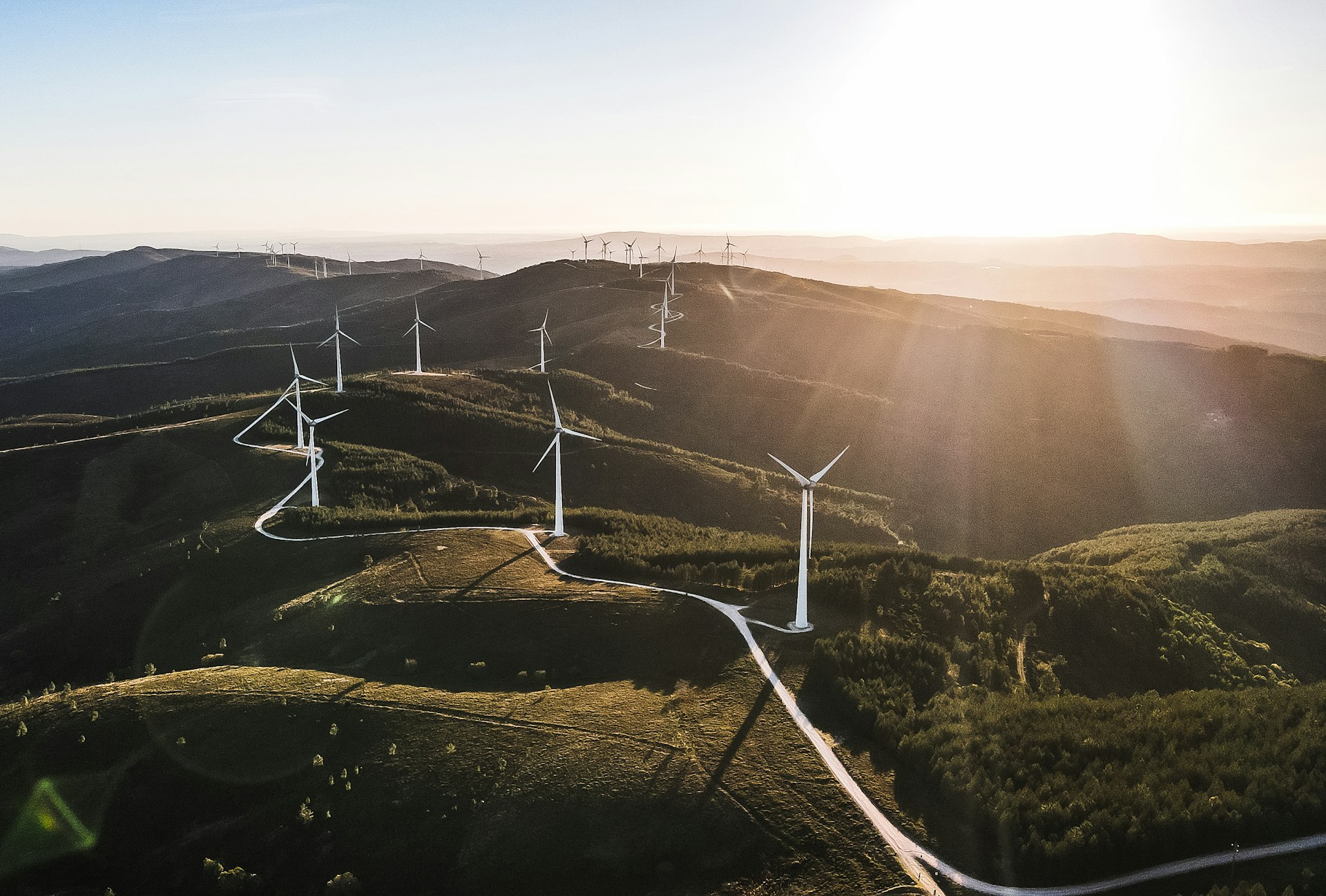
The planet is undergoing a deep transformation. Because of its climate, its territory and its long agricultural tradition, Spain is in a unique position to lead the shift towards a cleaner energy model and a more responsible way of growing food. This report summarises the key points of the process and explains why protecting the environment today matters for the generations to come.
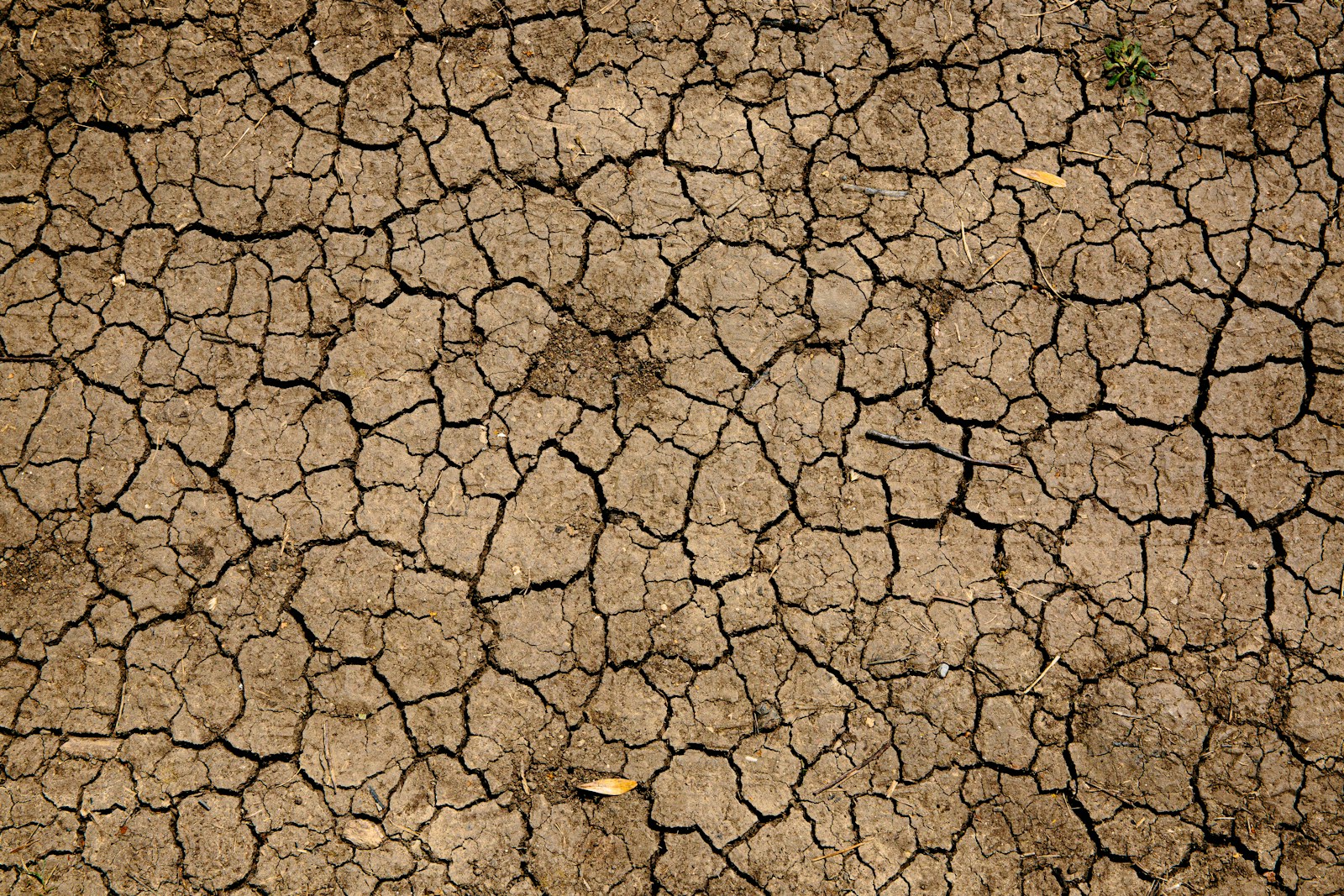
Global warming
Climate change is no longer a distant hypothesis: it is a daily reality. More intense heatwaves, prolonged droughts and recurring wildfires show that the planet's balance has been disrupted. According to the reports of the Intergovernmental Panel on Climate Change, greenhouse gas emissions must drop significantly before 2030 in order to keep the rise in average global temperature within safe limits. Spain, located in a region especially vulnerable to water stress, takes an active role in protecting its territory. Citizen awareness, together with institutional commitment, is the foundation of any meaningful step towards a truly sustainable future.
Spain's role in green energy
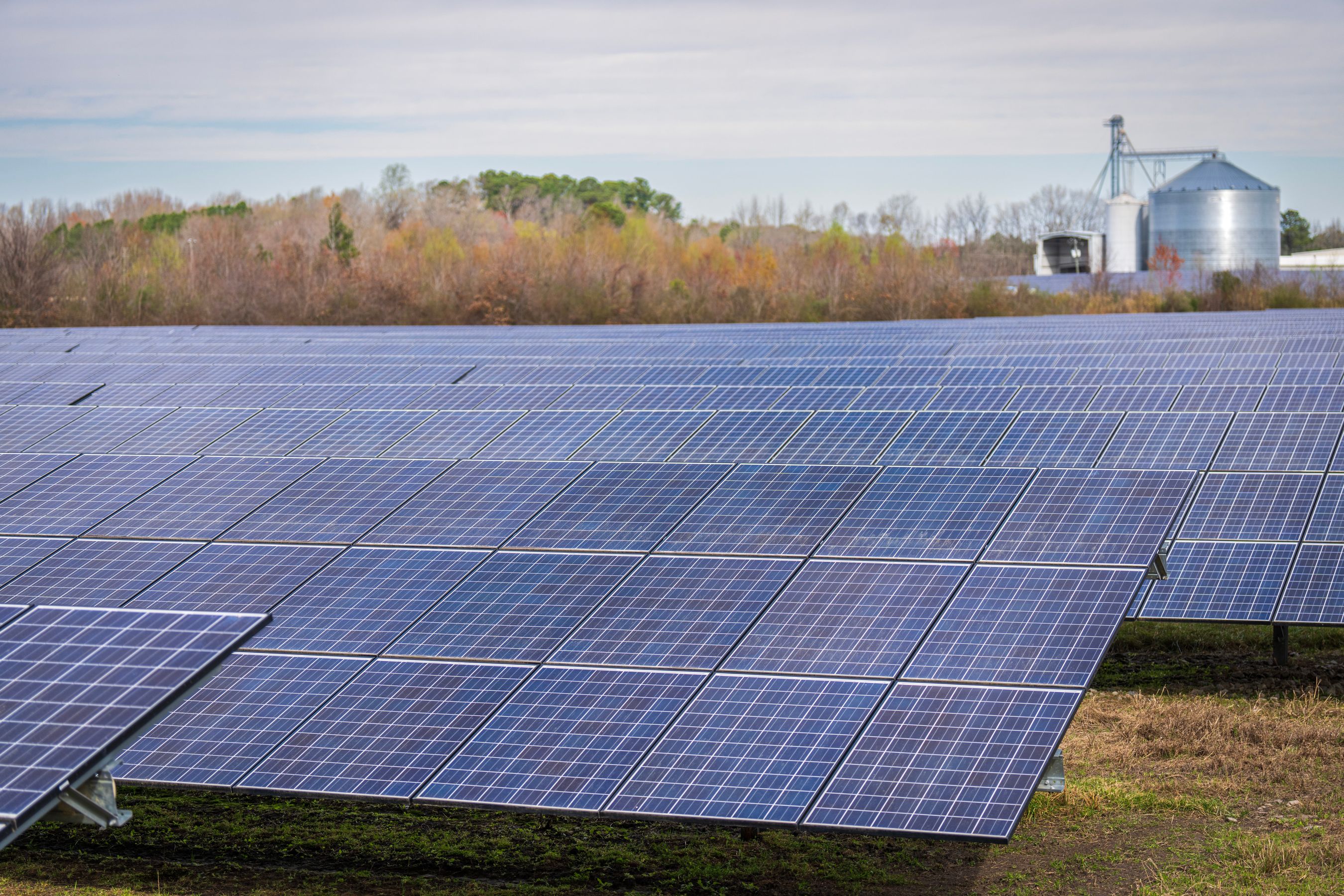
Spain has established itself as one of Europe's leading countries in clean energy development. Thanks to its privileged sun exposure and its vast windy regions, the country has multiplied its renewable generation capacity over the last decade. Wind farms in the north and large photovoltaic fields in the south already cover a substantial share of national electricity demand. Spanish energy companies, working alongside universities and research centres, are advancing on large-scale energy storage, green hydrogen and grid digitalisation. The National Integrated Energy and Climate Plan sets a clear goal: protecting ecosystems and reducing the carbon footprint in line with the European commitments for 2030.
The future of agriculture
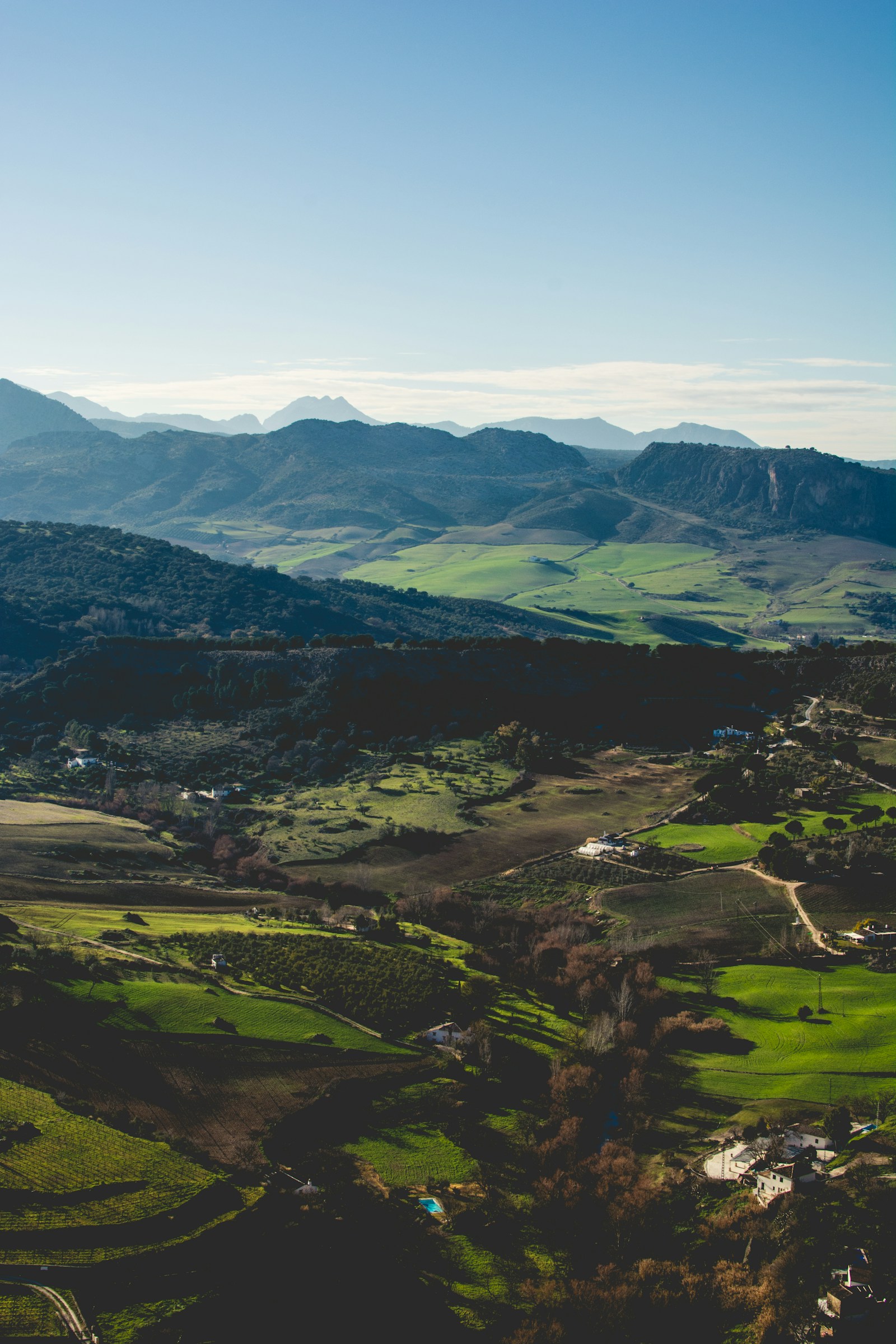
21st-century farming must be productive, fair and respectful of the environment. So-called Agriculture 5.0 combines traditional knowledge, connected sensors, artificial intelligence and regenerative practices to use less water, fewer chemicals and less fertile soil while keeping productivity high. In Spain, this model translates into smart irrigation systems, satellite-based crop monitoring and rotations that protect biodiversity. Sustainable rural development is also a tool for territorial cohesion: it keeps people living in depopulated areas and diversifies the local economy. It is a necessary step to guarantee future generations a living, healthy countryside that is resilient to climate change.
Report at a glance
- Spain is one of the European countries with the highest solar and wind potential.
- The 2030 national target sets a significant reduction of the carbon footprint.
- Agriculture 5.0 reduces water use and protects rural biodiversity.
- Environmental protection is built on education and citizen information.